← All work 01 / 04 · Tamil Material Archive ← PrevNext →
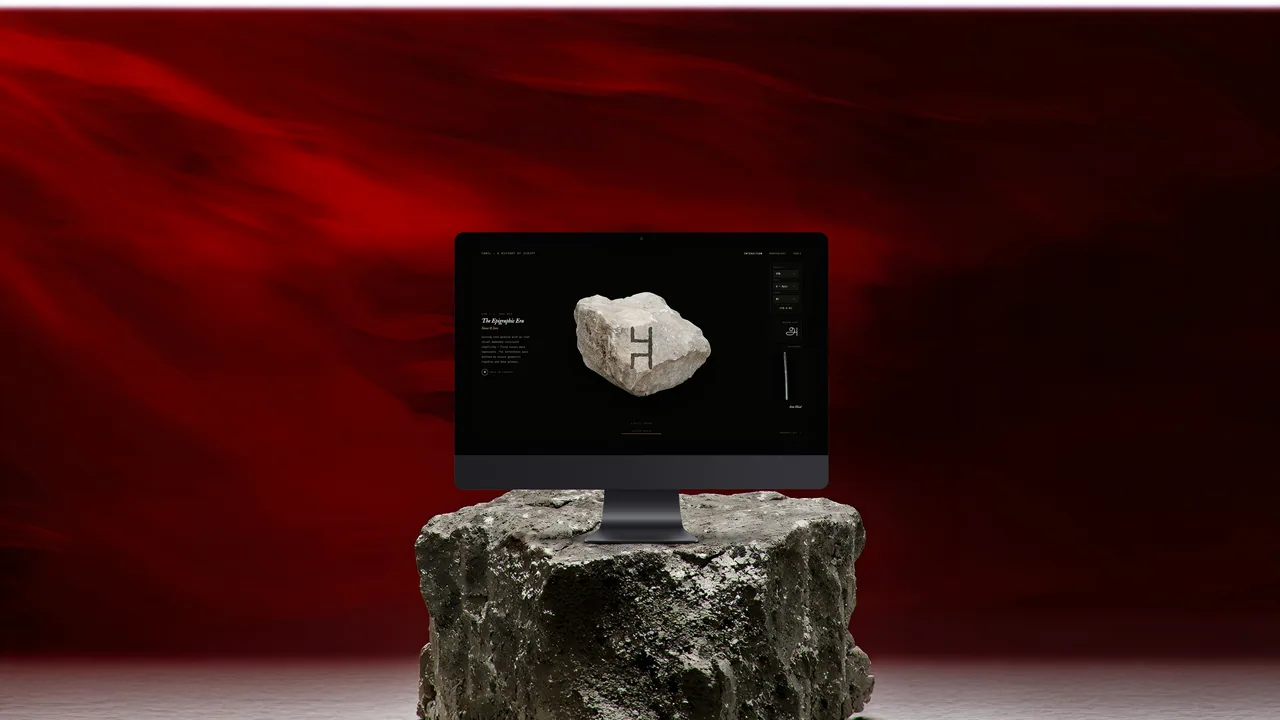
Desktop computer showing the Tamil archive, resting on a stone slab against a red wall

01 / ARCHIVE · PUBLICATION · WEB

TAMIL
MATERIAL
ARCHIVE

Language is often treated as stable, but its form is shaped
by what it’s written on.

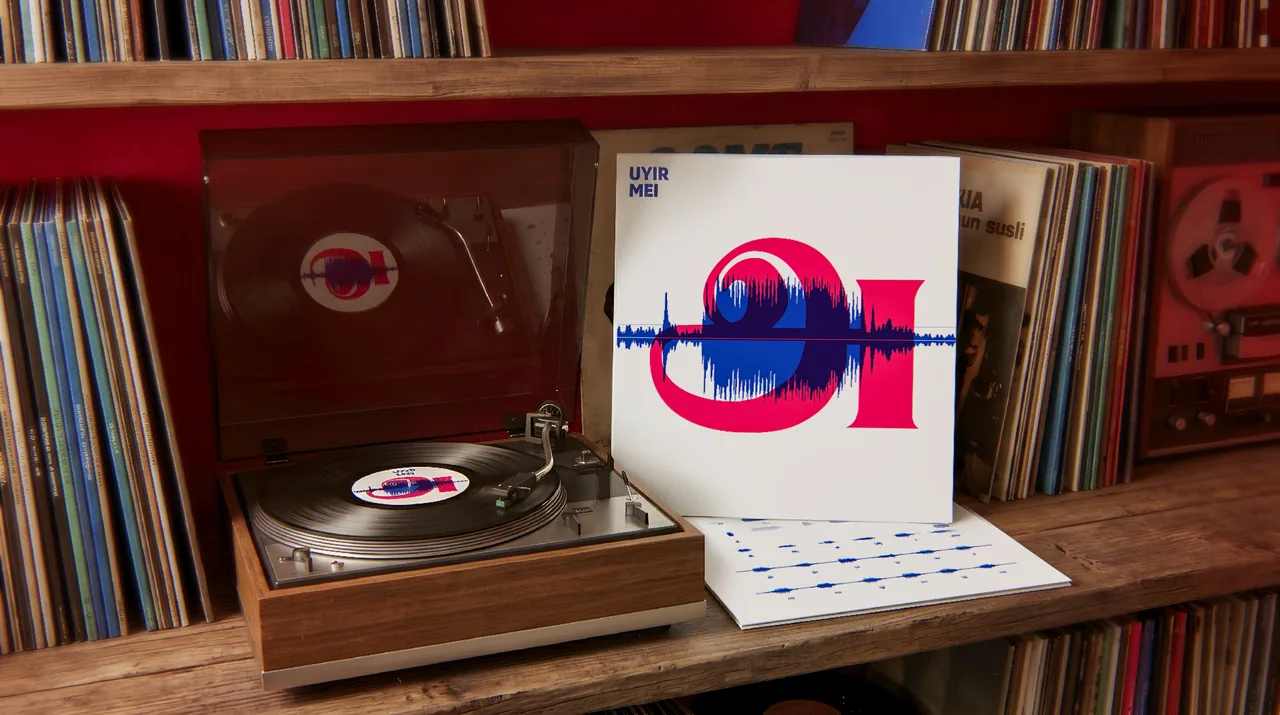
PUBLICATION · 3D WEB ARCHIVE · UYIR MEI LP SLEEVE
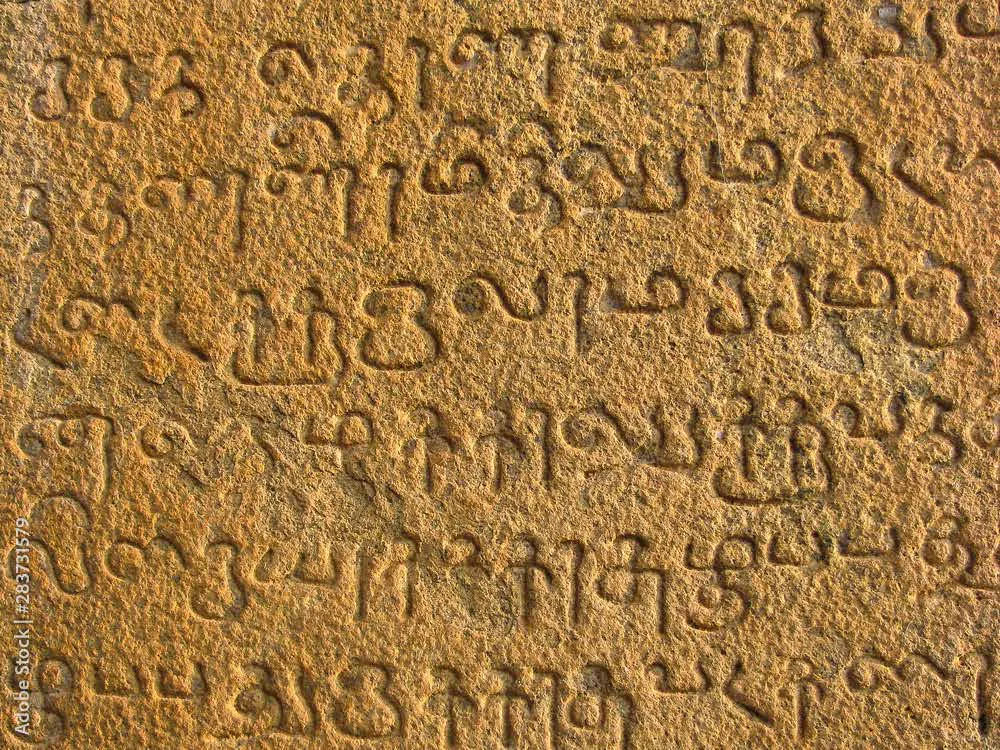
Tamil letters carved into stone
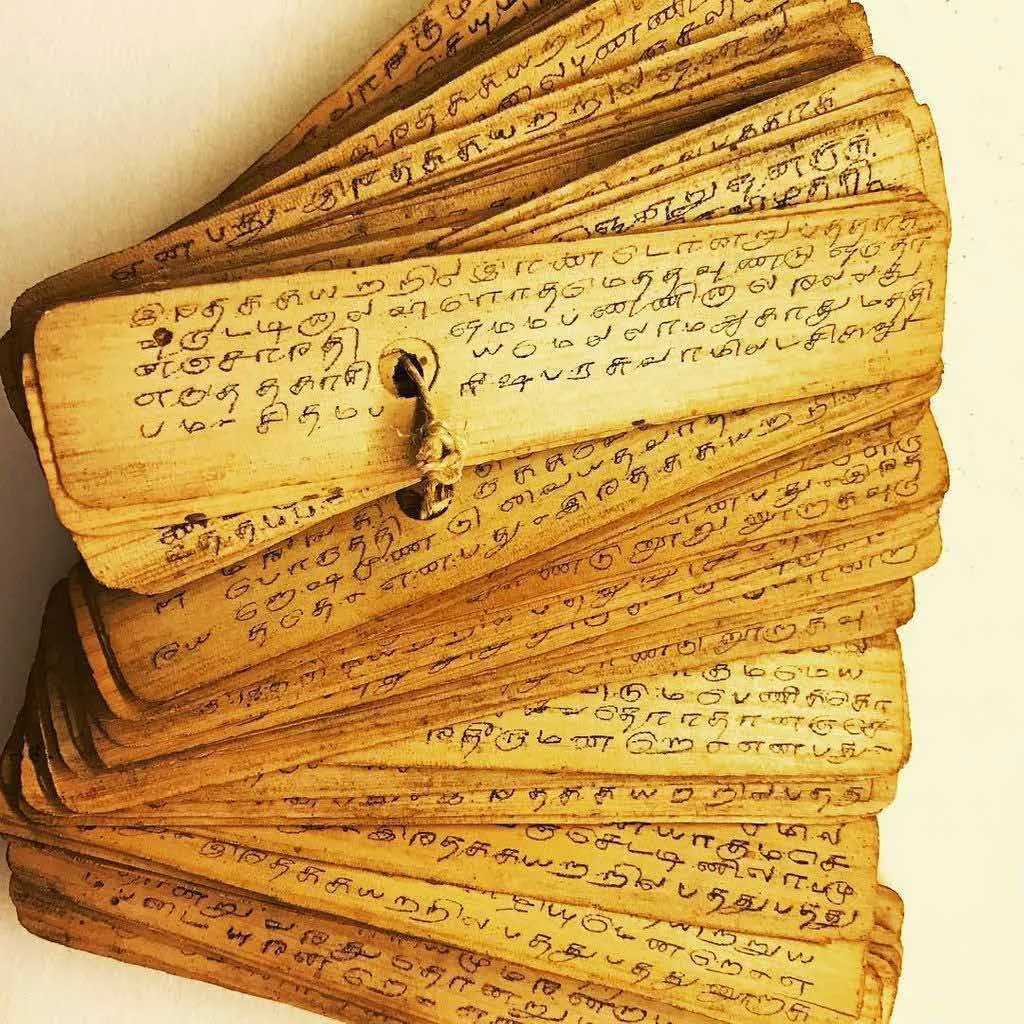
Stack of Tamil palm-leaf manuscripts
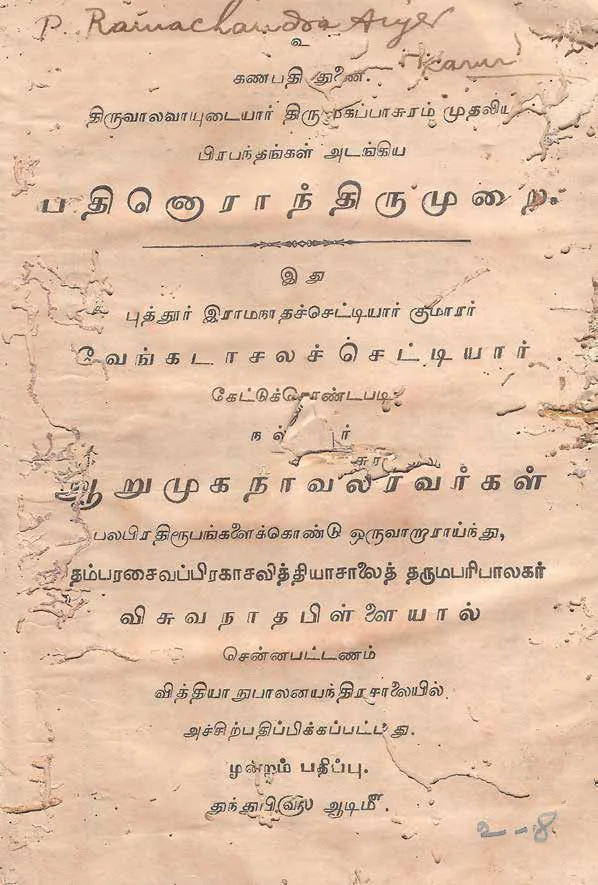
A page of printed Tamil text
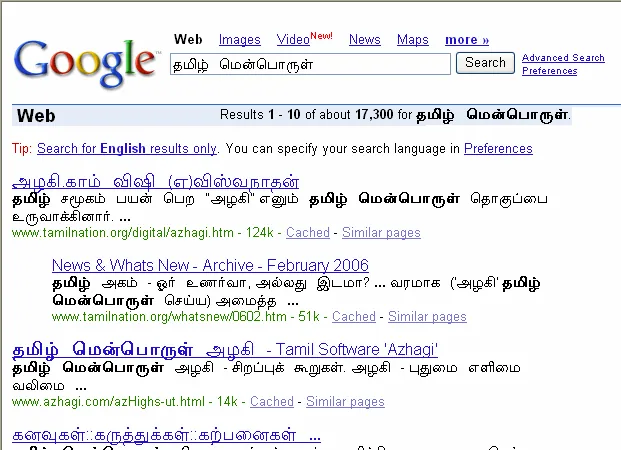
Early web search results in Tamil

TAMIL MATERIAL ARCHIVE

DURATION

12 weeks

CONTEXT

How does a script change its shape when the material under it changes, from stone to palm leaf to metal type to screen?

IDEA

Four eras, each with its own visual rules: epigraphic, manuscript, mechanical, algorithmic.

DELIVERABLES

  • Uyir Mei LP sleeve
  • Poster
  • 3D Letterform Model
  • Script-history publication
  • Four-era visual system
  • 3D web environment (Three.js)
FIG - UYIR MEI LP COVER
FIG - LETTERFORM POSTER
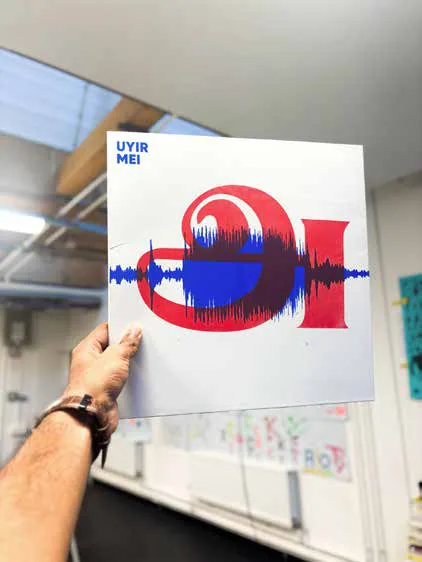
A hand holding the Uyir Mei LP sleeve
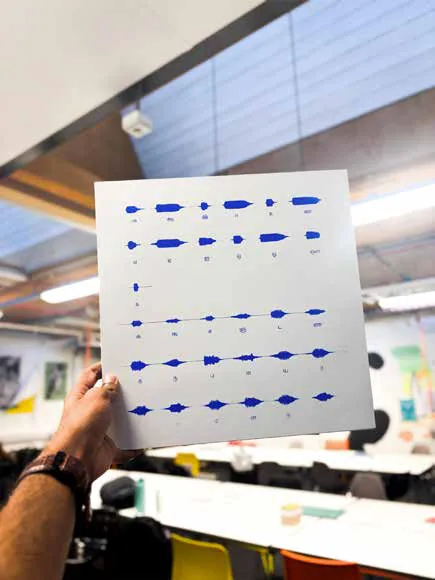
A hand holding a sleeve printed with blue waveforms
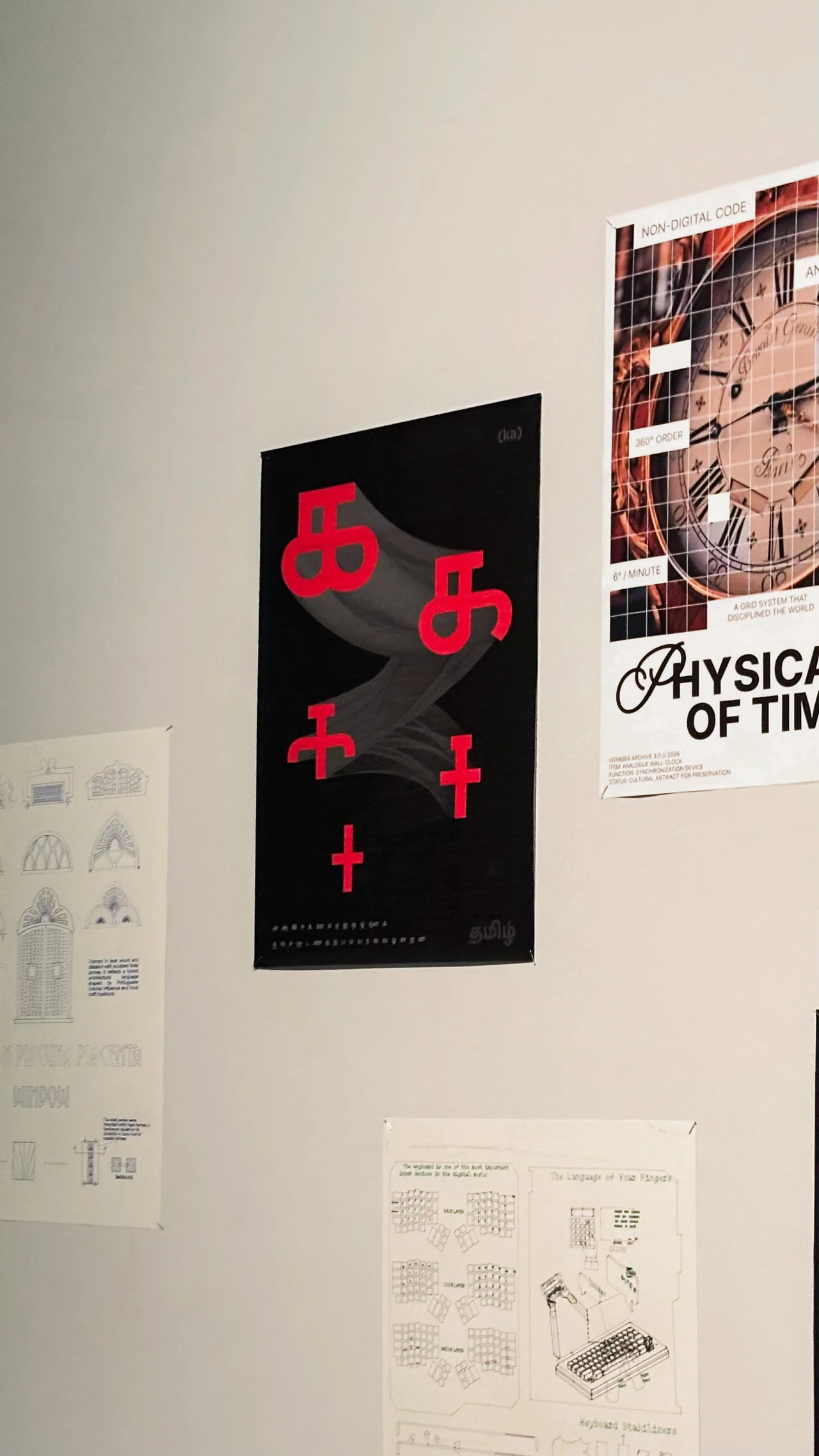
The black letterform poster pinned to a studio wall

LP SLEEVE

The sound of Tamil has barely changed. A native speaker recorded 12 vowels and 18 consonants, and each sound became a waveform on the sleeve.

Two screen-printed layers overprint: red for history, blue for sound, violet where they meet.

POSTER

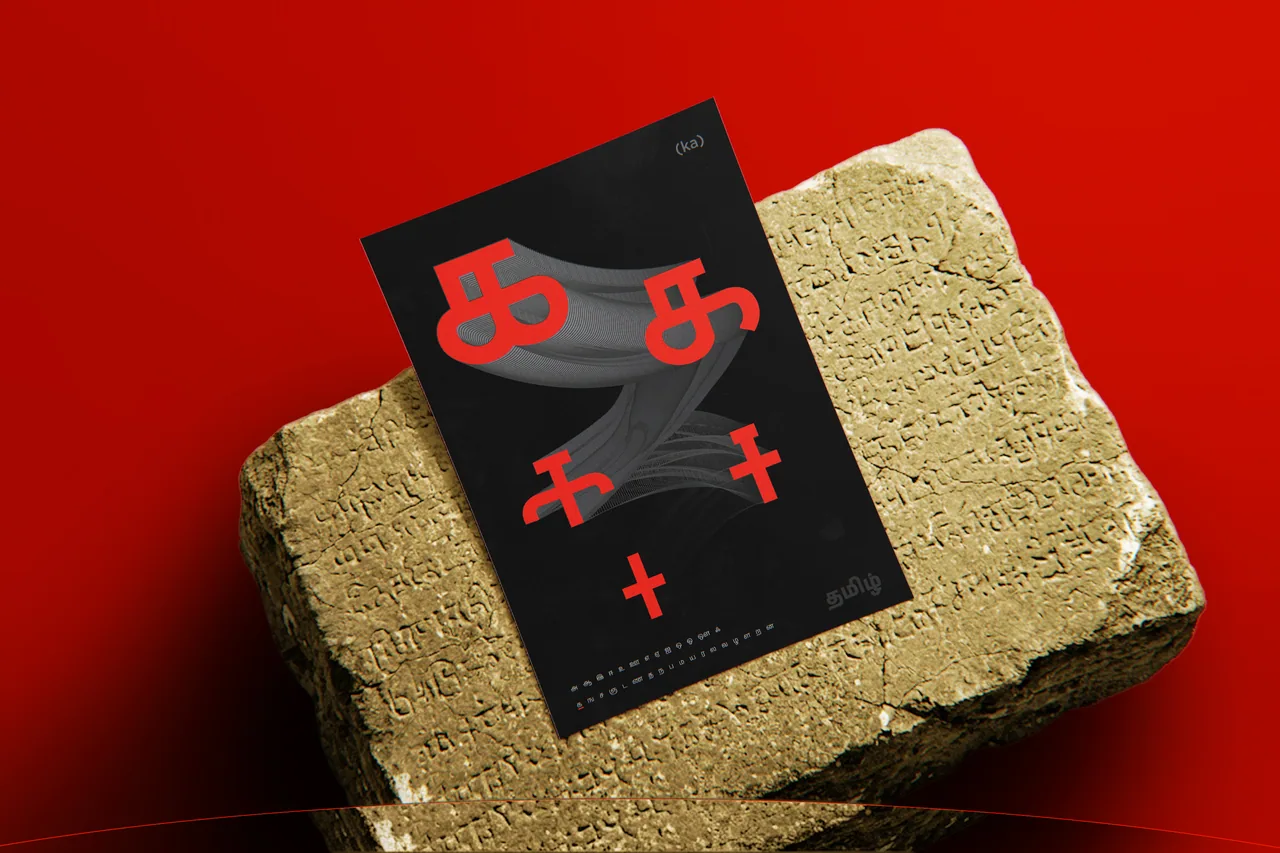
One letter, க (ka), is traced through four material eras (stone, palm leaf, print, screen) on a strict 12-column grid, so the change reads step by step.
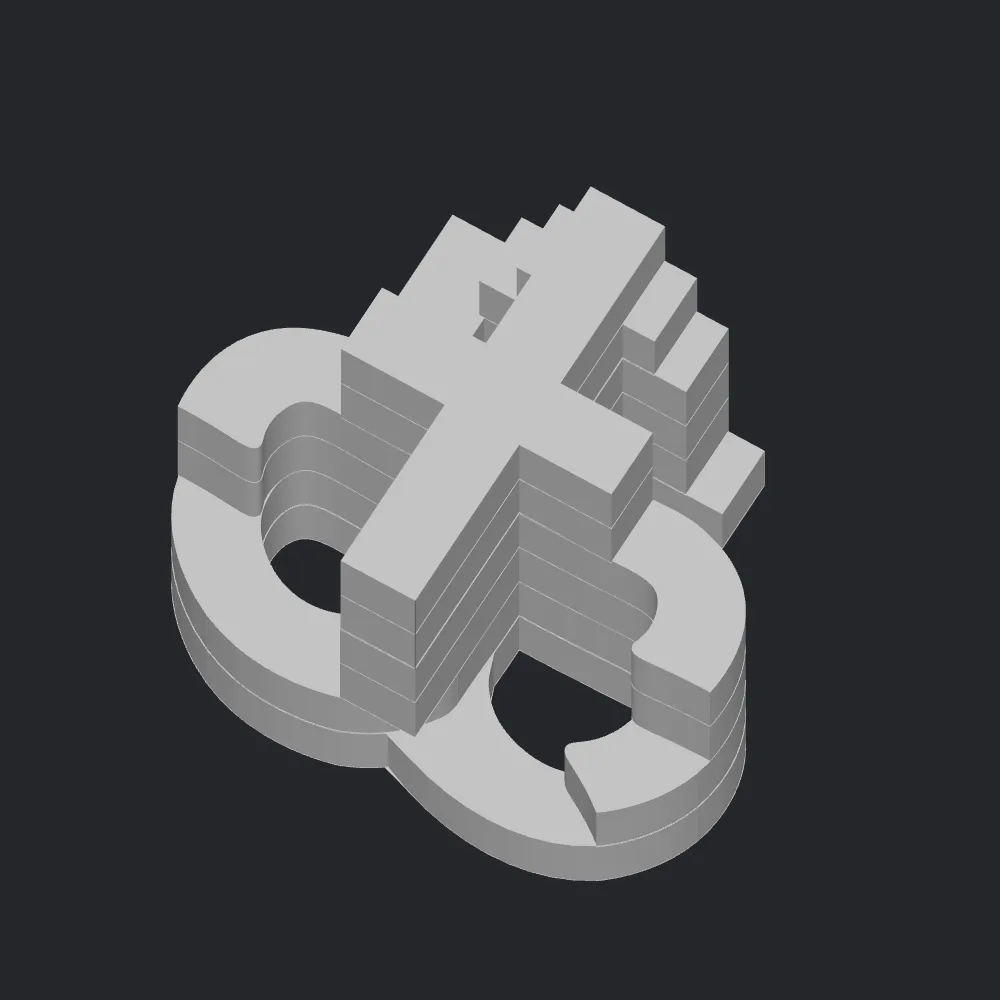
3D letterform study, stacked stages of the letter ka
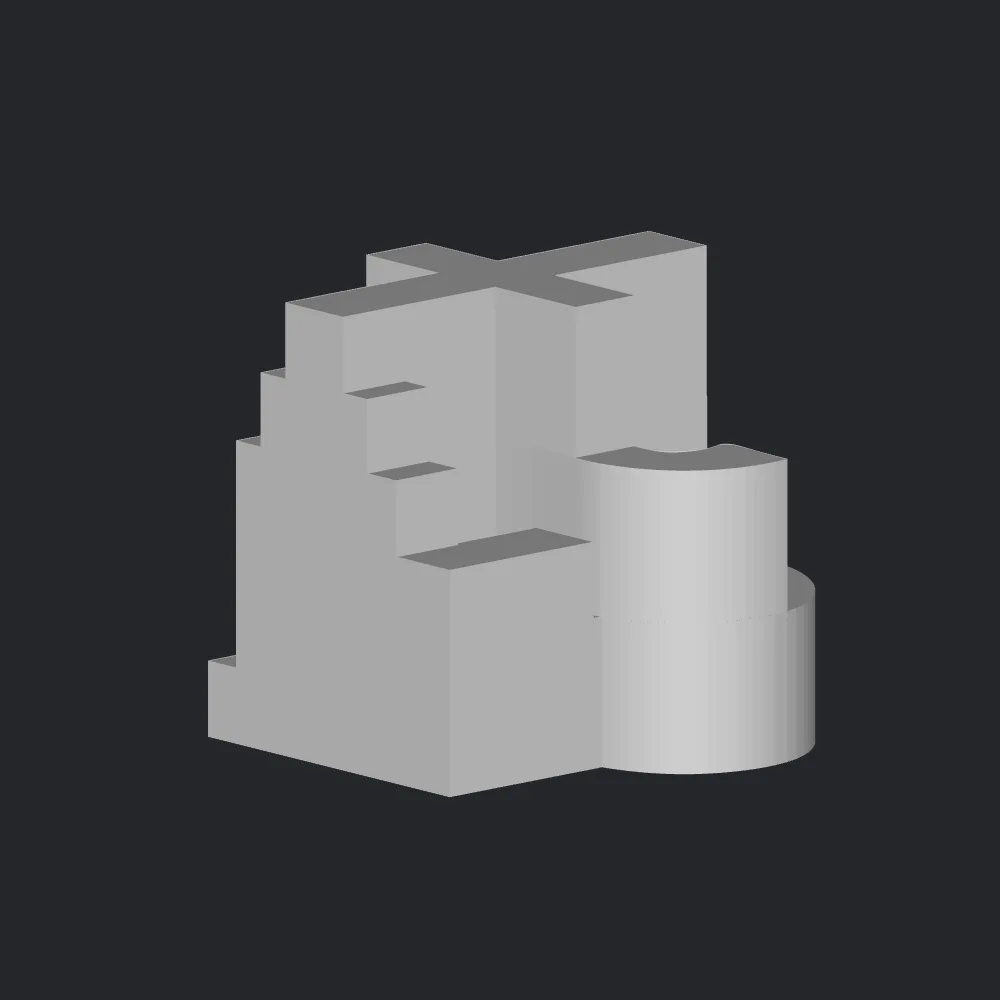
3D letterform study, solid form
3D letterform study, front view
The letter ka through its stages

3D LETTERFORM STUDY

Stacking the stages of the letter “ka” in 3D lets viewers experience its evolution spatially. Language becomes physical, shaped by depth, rotation and material.
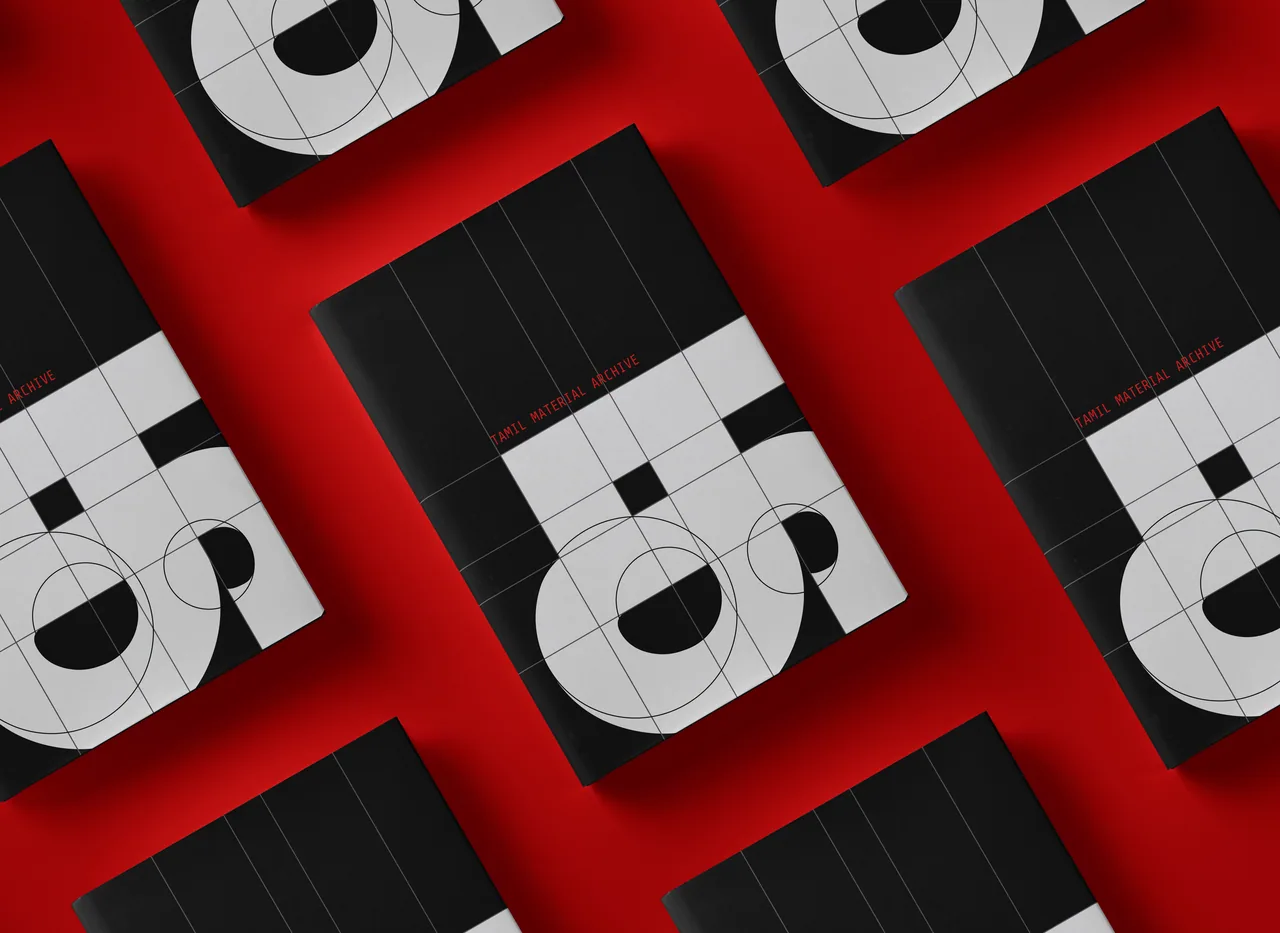
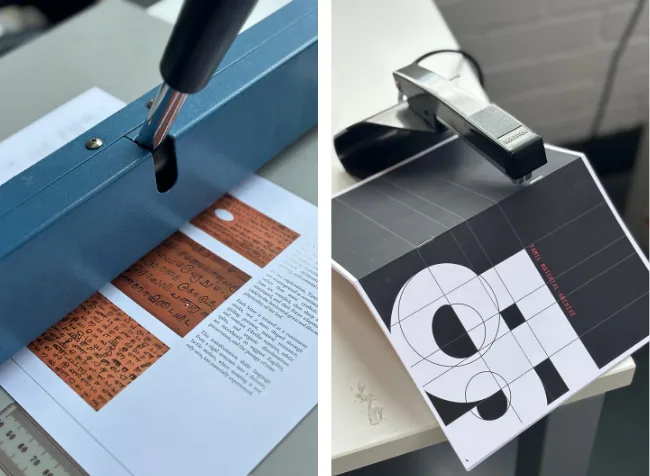
FIG - BOOK COVER
FIG - BOOK COVER
FIG - PUBLICATION SPREADS, FLIPBOOKOpen flipbook
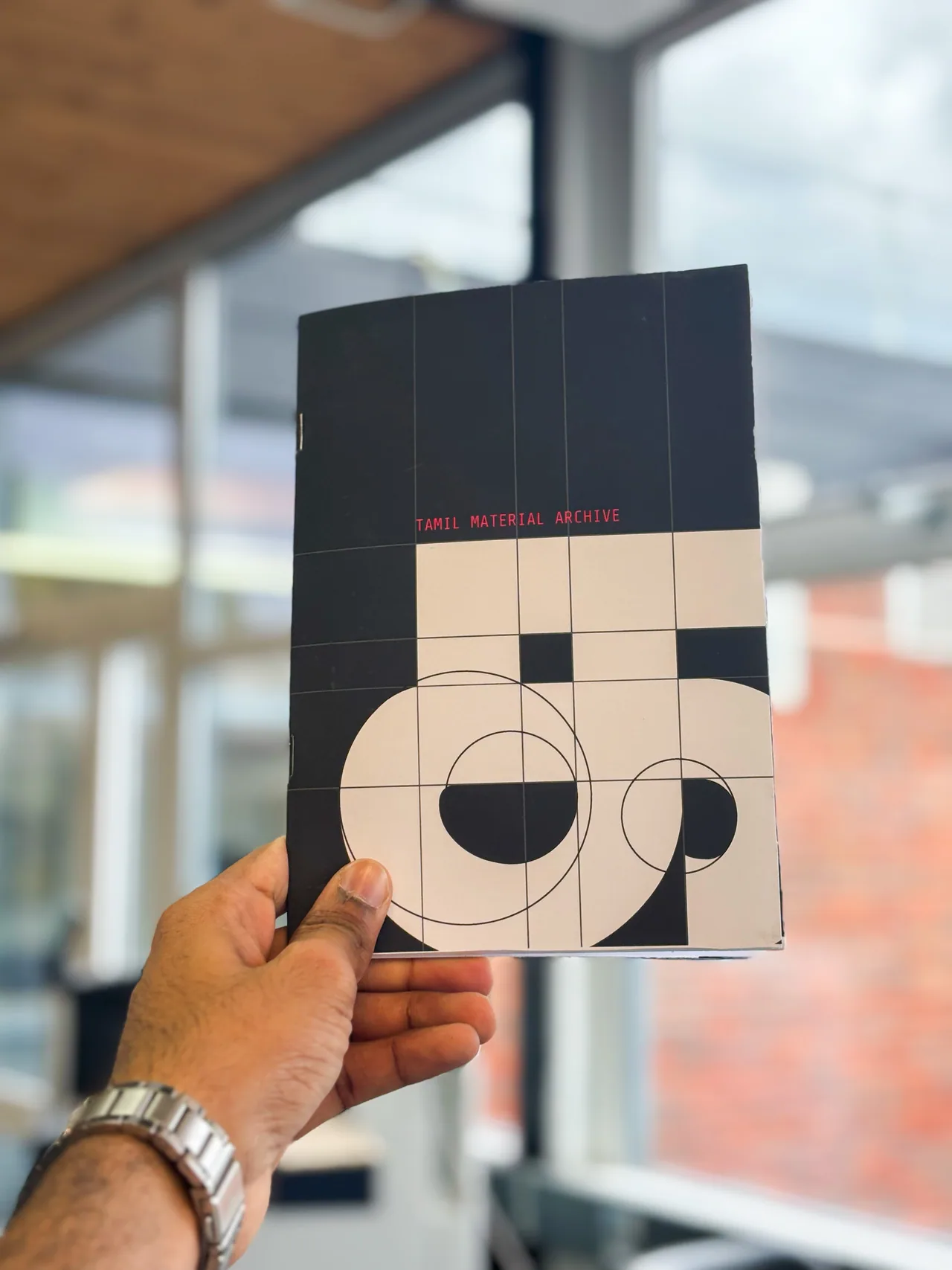
Two photographs of the printed publication
A hand holding the printed publication
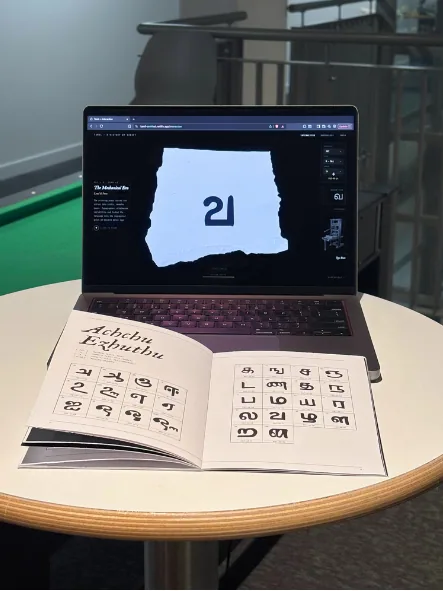
The archive website on a laptop beside the open publication
The 3D stone archive on a screen

PUBLICATION AND WEBSITE

The publication reads like a specimen book: stone, palm, print and digital, four pages each. Every letterform has a codex ID (material, type, number), so STN-U-01 is the first vowel in stone.

The website uses the same IDs. You carve, scratch or stamp each letter and hear its sound.

tamil-archival.netlify.app

WEBPAGE BUILT WITH AI

3D archive: move through the four eras and watch one letterform change as its surface changes. I designed the navigation and the era rules.
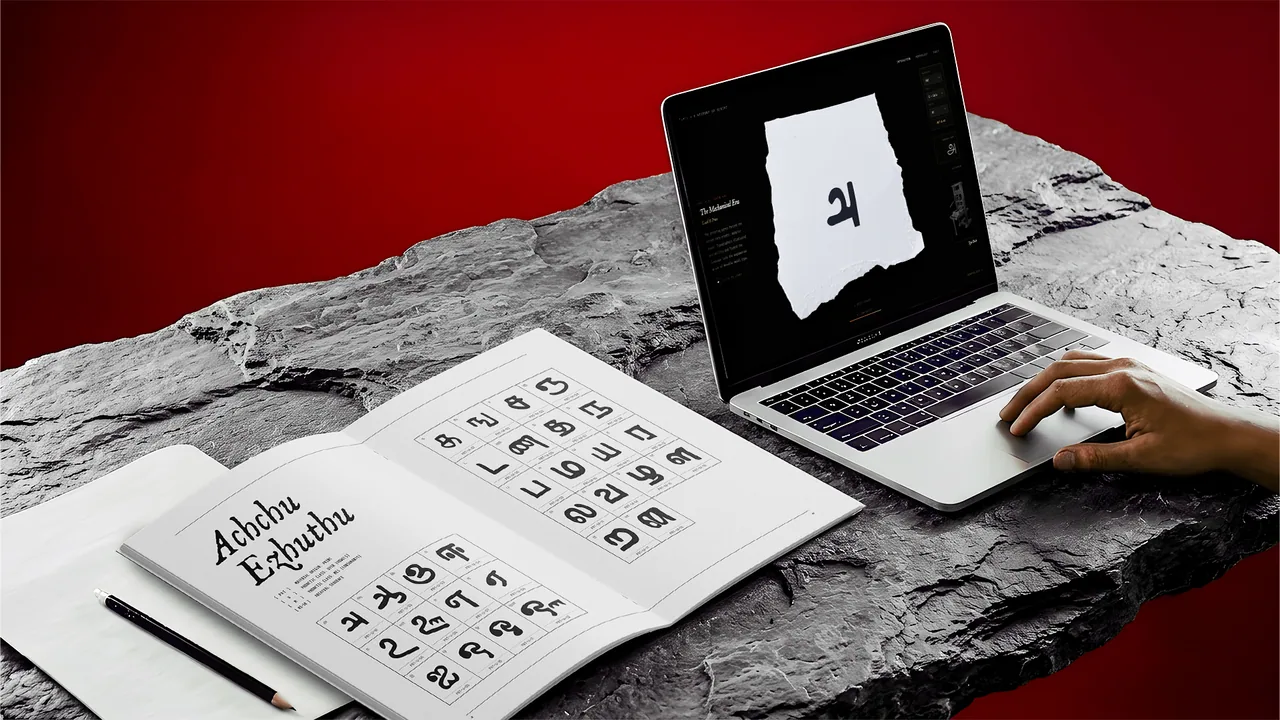
FIG - INTERACTION PART WITH THE PUBLICATION
LIVE - THE 3D ARCHIVE, RUNNINGOpen here

IDEA

Coded a 3D archive you move through, not read. One letterform changes as the surface under it changes, so the idea is felt without a paragraph.

OUTPUT

A Three.js web environment: jump between the four eras in any order, turn the 3D stone, and open each character as a card.

FIG - MORPHOLOGY: ONE LETTERFORM, FOUR ERAS

UYIR MEI MATRIX: 216 COMBINATIONS

TAMIL MATERIAL ARCHIVE · SCREEN RECORDINGS

PROJECT EVALUATION

The project’s strength is carrying Tamil across several mediums as one coherent system. The publication explains and the website lets you experience it, so together they make a layered archive.

OUTCOMES & LEARNING

Research-driven design: structure, system and context, not just aesthetics, joining typography, sound, interaction and material studies in one framework.

LIMITATIONS & CHALLENGES

- Historical accuracy: Early stone and palm-leaf letterforms are thinly documented.

- Technical execution: Blender and web prototyping were new to me. AI wrote the website’s code, so I directed, tested and iterated.